
WordPress is undoubtedly the most popular content management system (CMS) in the world, powering over 40% of all websites. This includes everything from small blogs to large corporate and news platforms. With its open architecture and accessibility, WordPress has become the first choice for millions of businesses and individual users. But as with any technology, there are pros and cons to consider when choosing a platform for your website.
One of WordPress’s greatest strengths is its accessibility. The interface is intuitive and allows users without technical knowledge to create their own website, add content, images, pages, and blogs. For small businesses, this is a huge advantage as it reduces the need for additional costs for programmers at the start.
WordPress offers a huge selection of themes (designs) and plugins (functionalities) that cover almost every need—from contact forms to payment system integrations. Many of them are free, while premium solutions provide additional features and support. This makes WordPress ideal for almost any type of website – blog, portfolio, online store, business website, etc.
Thanks to its well-organized content structure and the availability of SEO plugins such as Yoast SEO or Rank Math, WordPress is one of the strongest players in the field when it comes to search engine optimization. A well-maintained WordPress website can easily rank high in Google results.
WordPress has one of the largest communities of developers, designers, and users. This means that there is an inexhaustible amount of documentation, forums, video tutorials, and professional services that can help with any problem.
With the WooCommerce plugin, WordPress becomes a fully functional online store. You can sell physical and digital products, use multiple payment and shipping methods, and integrate marketing tools.
Many of the features in WordPress are added through plugins. While this provides flexibility, too many plugins can slow down the site, create conflicts with each other, or create vulnerabilities, especially if they are not maintained regularly.
For more complex projects that require unique logic or highly reliable integrations, WordPress may not be the best solution. In such cases, serious modification or even switching to custom development with another framework, such as Laravel, is required.
The system, plugins, and themes need to be updated frequently. Without maintenance, the site risks slowing down, having errors, or becoming vulnerable to attacks.
When is WordPress the right choice?
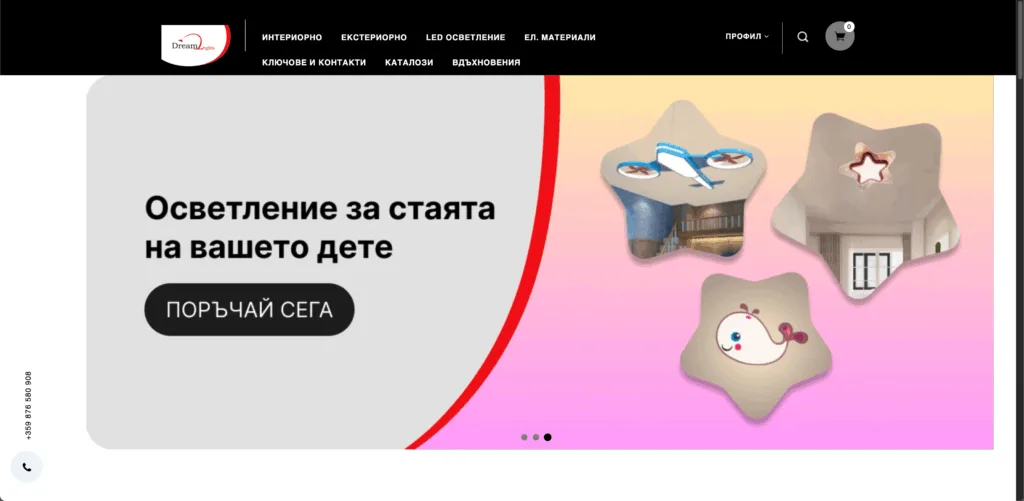
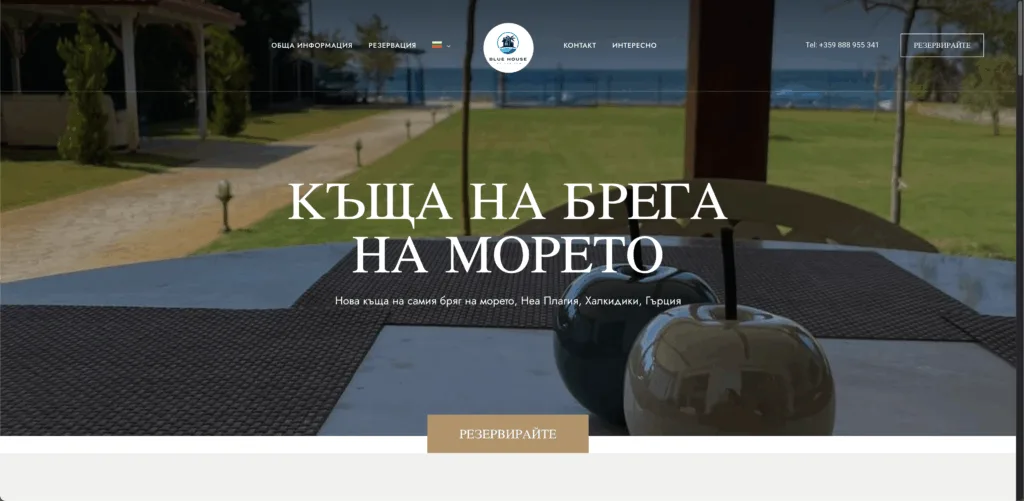
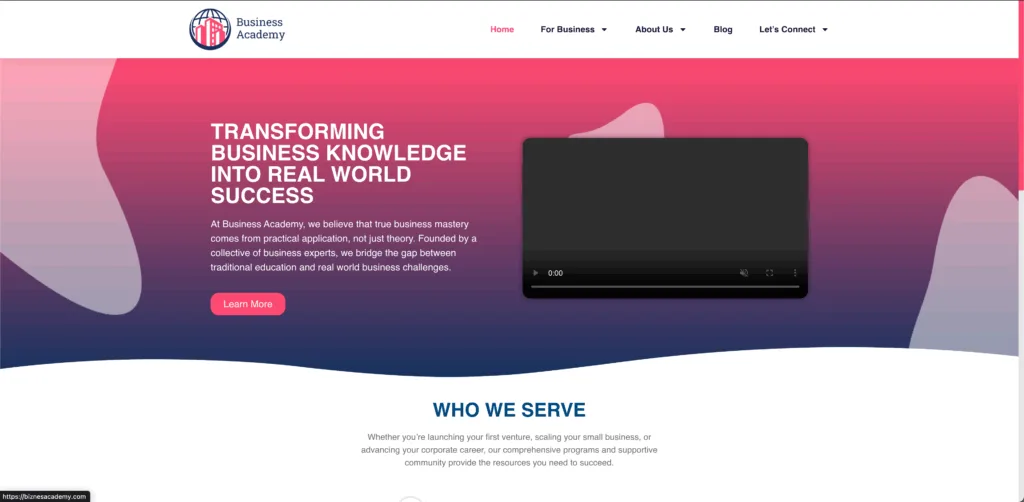
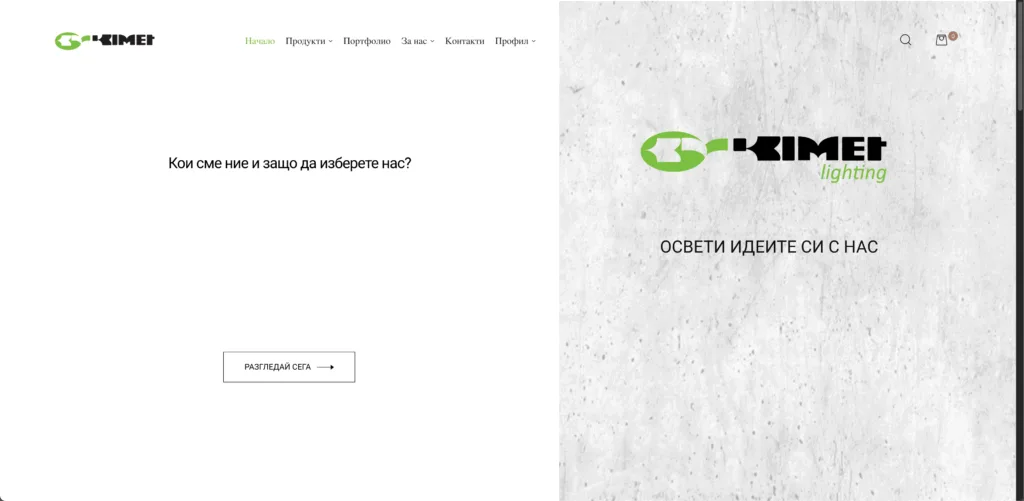
WordPress is extremely effective for small and medium-sized businesses looking for a fast, inexpensive, and easy solution for their web presence. It is suitable for blogs, news sites, company websites, small online stores, and portfolios. When combined with professional support from an agency such as Websycraft, WordPress can be a sustainable and productive tool for your business.
The key to a successful WordPress website is not just the installation, but the right configuration, regular maintenance, and security. Our team offers complete services for the development, optimization, and maintenance of WordPress websites—fast, secure, and effective.
Translated with DeepL.com (free version)
Choose a meeting time from the calendar below
Fill out the form below and we will call you back as soon as possible